May 11, 2026
Driving a car is a major part of daily life for most people. We rely on our vehicles to get us to work, take children to school, and run errands around town. While we often think about the engine or the fuel level, the most important safety feature is the system that brings the car to a stop. Having a reliable way to slow down is the only way to stay safe on busy roads. When the stopping system starts to fail, it puts the driver, the passengers, and everyone else on the road at risk. Recognizing the early warning signs that you need brake repair can prevent a scary situation from happening while you are behind the wheel.
Hearing Unusual Grinding Noises
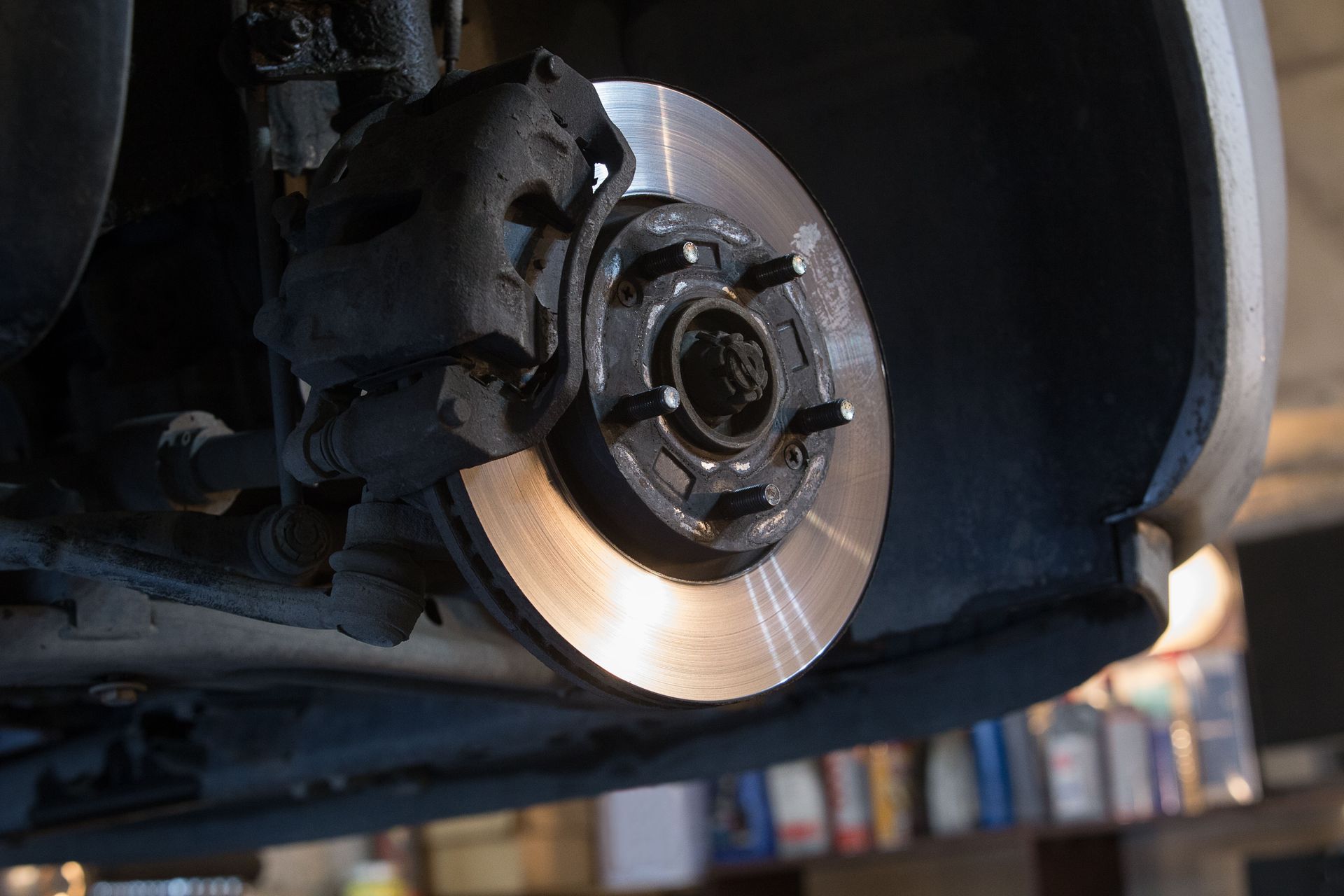
One of the most common ways a car tells you it needs help is through sound. Most modern stopping systems have a small metal indicator that makes a high-pitched squeal when the pads get too thin. This sound is a warning that you are reaching the end of the life of the pads. If you ignore the squealing, it will eventually turn into a harsh grinding noise. This grinding means the metal backing of the pad is rubbing directly against the metal rotor. This causes a lot of heat and can damage the rotors very quickly.
When you hear metal hitting metal, the stopping power of your car is greatly reduced. It takes much longer to come to a full stop, which is dangerous in an emergency. Seeking professional help at the first sign of a squeak is much cheaper than waiting until the grinding starts. Professionals can swap out the pads before they ruin the more expensive parts of the system. This type of routine brake repair keeps the car quiet and makes certain that the vehicle can stop exactly when you need it to.
Feeling Strange Pedal Vibrations
The pedal under your foot should feel smooth and firm when you press it. If you feel a pulsing or vibrating sensation, something is wrong. This shaking often happens because the rotors have become warped. Rotors are the large metal discs that the pads grip to stop the wheels. If they get too hot or wear down unevenly, they lose their flat surface. When the pads hit these wavy spots, the vibration travels all the way up the steering column and into the pedal.
Driving with warped rotors makes it harder to control the car during a sudden stop. It can also cause other parts of the suspension to wear out faster because of the constant shaking. Seeking professional help is the only way to fix this issue. A professional can measure the thickness of the discs and decide if they can be smoothed out or if they need to be replaced. Keeping the system smooth is a vital part of regular brake repair that improves the overall feel of the car.
Noticing Spongy Pedal Responses
A healthy brake pedal should have a consistent amount of resistance. If the pedal feels soft, "spongy," or sinks all the way to the floorboard, there is likely air or moisture in the lines. It could also mean that the fluid that powers the system is leaking. Since this system relies on pressure to move the pads, any loss of pressure means the car will not stop correctly. This is one of the most serious signs of trouble and should never be ignored.
If you have to "pump" the pedal to get the car to slow down, the vehicle is not safe to drive. This lack of pressure can lead to a total failure of the system without warning. Seeking professional help immediately is the best course of action. Professionals can check for leaks in the hoses and make sure the fluid levels are where they should be. They have the tools to bleed the lines and remove any trapped air. This type of brake repair restores the firm feel of the pedal and gives the driver confidence in their stopping power.
Detecting Unpleasant Burning Smells
If you smell a sharp, chemical odor coming from your wheels after a long drive, your brakes are overheating. This often happens if you are driving down a steep mountain or if a part of the system is stuck in the "on" position. When the pads get too hot, they lose their ability to grip the rotor. This is known as "brake fade," and it can lead to a situation where the car will not stop at all no matter how hard you press the pedal.
If you see smoke coming from a wheel, you must pull over and let the system cool down. Overheating can cause the fluid to boil and can permanently damage the pads and rotors. Seeking professional help is necessary to find out why the system got so hot in the first place. A professional can check for a "frozen" caliper or other mechanical issues that might be causing constant friction. Addressing these smells through professional brake repair keeps the system from catching fire or failing during a trip.
Observing Uneven Vehicle Steering
When you apply the brakes, the car should continue to move in a straight line. If the car pulls to one side, it means the stopping power is not being applied evenly to all wheels. This could be caused by a collapsed hose, a stuck caliper, or unevenly worn pads. This makes steering much more difficult and can be especially dangerous on wet or icy roads where traction is already limited.
This pulling sensation is a sign that one side of the system is doing all the work while the other side is doing nothing. This puts an incredible amount of stress on the tires and the steering parts. Seeking professional help allows a technician to look at the whole system and find the imbalance. They can make sure that each wheel is getting the right amount of pressure. This kind of brake repair makes the car easier to handle and prevents the tires from wearing out in a strange pattern.
Watching Dashboard Warning Lights
Most modern vehicles have sensors that monitor the health of the stopping system. If a light shaped like a circle or the word "BRAKE" appears on your dashboard, the car has detected a problem. This could be something simple, like low fluid, or it could be a sign that the electronic parts of the system are failing. These lights are there to help you catch problems before they result in a physical symptom that you can feel or hear.
Ignoring a dashboard light is a gamble with your safety. Even if the car feels fine, the computer has seen something that is out of place. Seeking professional help to run a diagnostic test is the best way to find the hidden issue. Professionals can plug into the car and see exactly what the sensor is reporting. Taking care of these electronic warnings through professional brake repair helps keep the car in top condition and avoids more expensive mechanical failures later.
Every car has parts that are meant to wear out over time. The pads and discs that help the car stop are designed to be replaced as they get thinner. It is not a matter of if they will wear out, but when. According to Bankrate, car brakes need servicing every 10,000 to 20,000 miles. This range can change depending on how you drive. If you spend a lot of time in traffic or drive in hilly areas, your parts might wear down much faster. Paying attention to how your car feels when you press the pedal is the best way to stay ahead of any issues. Seeking professional help as soon as you notice a change in performance is a smart move for any driver.
By paying attention to the sounds, smells, and feelings of your car, you can catch small problems before they become big ones. Staying on top of maintenance helps your car last longer and keeps the roads safer for everyone. If you notice any of these warning signs, call Total Car Connection to schedule professional brake repair to keep your vehicle safe.